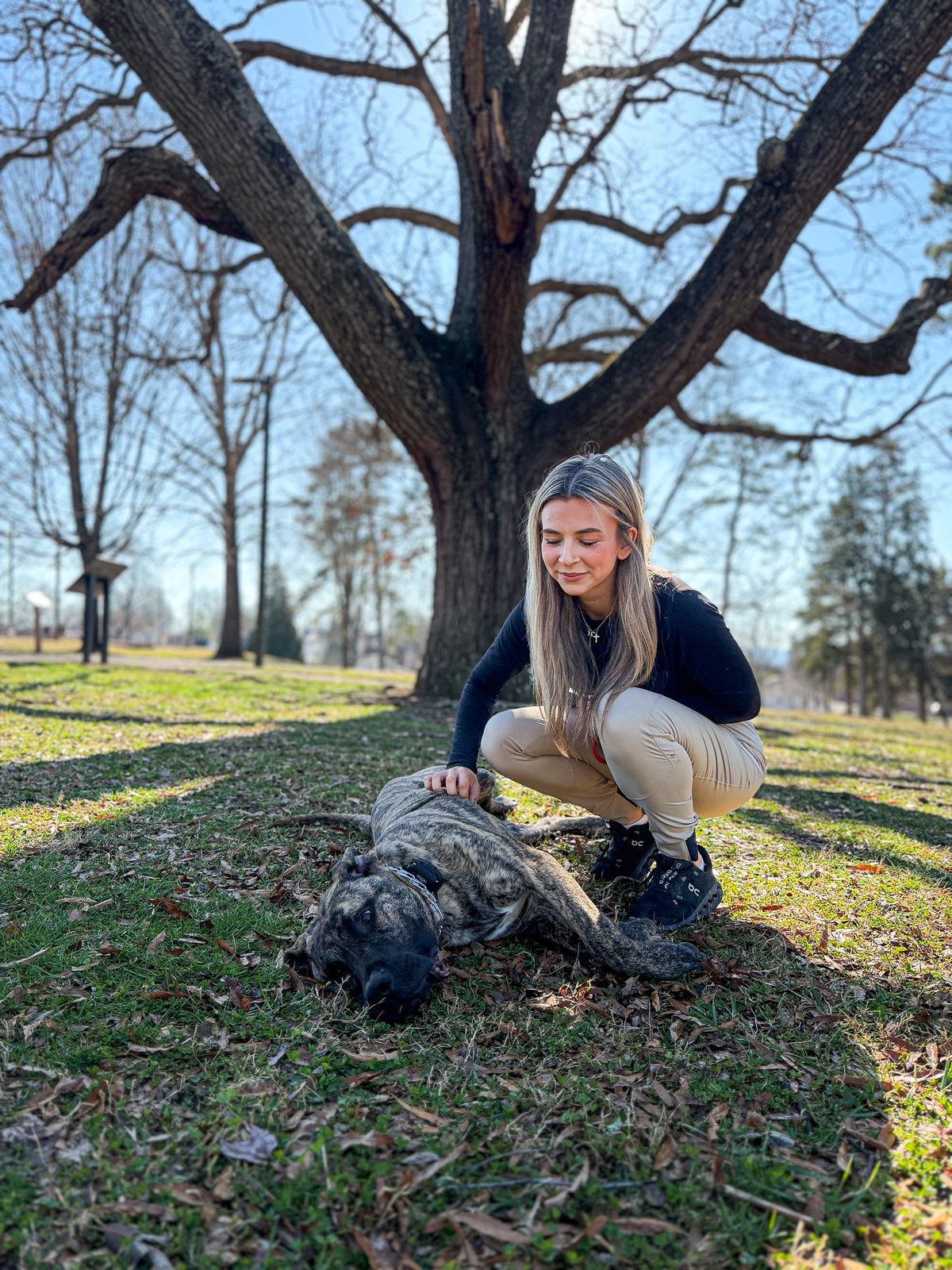
Children and dogs
Young children are among those most often bitten, usually by a dog they know. Teach kids to leave dogs alone when eating or sleeping, to avoid hugging and to ask before petting. Always supervise closely, and separate them when you cannot watch.
A safe retreat
Give your dog a quiet spot, such as a crate or bed in a calm room, where nobody disturbs it. A dog with an escape route is less likely to feel cornered.
Guarding triggers
Feed dogs separately, pick up high-value chews when children are around and avoid taking things away by force. If a dog guards, ask a professional for a plan rather than testing it.
Visitors and strangers
Put the dog in another room, or on a leash, during busy arrivals. Ask visitors to ignore the dog until it settles. On walks, keep a safe distance from unfamiliar people and dogs.
Know the law and your insurance
Dog bite liability rules vary by state and country, and some insurance policies limit coverage for certain dogs. Check your policy and local rules, and ask a professional when in doubt.
This page is general information. It is not veterinary, medical, legal or behavior consultation advice, and it never teaches anyone to train a dog to bite. If a dog has bitten or seems dangerous, involve your veterinarian and a qualified behavior professional.